A good pharma business does not always begin with a large investment or a manufacturing plant it can start with the right franchise opportunity. The Monopoly PCD Pharma Franchise model gives entrepreneurs a practical way to build their presence in the medicine market by working within an assigned territory. With growing demand for reliable healthcare products, this business model can offer an interesting path for distributors, medical professionals, and new entrepreneurs. But choosing the right company, products, territory, and business terms can make a major difference. In this guide, let’s explore why a Monopoly PCD Pharma Franchise can be a smarter business choice.
What Is a Monopoly PCD Pharma Franchise?
A Monopoly PCD Pharma Franchise is a business arrangement in which a pharmaceutical company gives an individual or distributor the rights to market and sell its medicines within a particular area. The franchise partner generally works on an exclusive territory basis, allowing them to develop their market without direct competition from another franchise partner of the same company in that location.

In simple terms, the pharmaceutical company handles the development or manufacturing of medicines, while the franchise partner focuses on promotion, distribution, and sales. This makes the model suitable for entrepreneurs who want to enter the pharmaceutical sector without setting up their own manufacturing facility.
A typical monopoly franchise arrangement may include:
- A defined business territory
- Access to the company’s medicine portfolio
- Product and promotional support
- Competitive pricing for business operations
- Assistance with order and supply management
The exact terms can differ from one company to another, so it is important to understand the agreement before starting. Territory availability, minimum order requirements, product range, pricing, and marketing support should all be discussed clearly.
Choosing a reliable monopoly pharma company is equally important. A good partner should offer consistent product quality, dependable supply, transparent business terms, and a portfolio that matches the demand in your target market. Simply selecting a company because of low prices may not be enough to build a sustainable business.
For someone planning to enter pharmaceutical distribution, a monopoly pharma franchise can provide a structured starting point. However, success depends on more than exclusive rights. Understanding local demand, maintaining good relationships with retailers and healthcare professionals, selecting suitable products, and managing inventory carefully can help create a stronger foundation for long-term growth.
Why Choose a Monopoly PCD Pharma Franchise?
Entering the pharmaceutical business becomes easier when you have a clear territory, suitable products, and dependable company support. A Monopoly PCD Pharma Franchise can bring these elements together, giving entrepreneurs an organized way to develop medicine sales in a selected market.
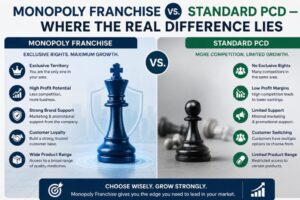
One major advantage is territory exclusivity. When a company provides monopoly rights for a specific area, the same products are not normally offered to another franchise partner within that agreed territory. This can make it easier to build local relationships and work toward steady sales without competing against another franchisee of the same brand.
Another reason to consider this model is the opportunity to work with an established product range. Instead of developing medicines independently, franchise partners can select products from the company’s existing portfolio according to local demand. Choosing commonly required medicines can help improve product movement and reduce unnecessary inventory.
A monopoly pharma franchise may also be suitable for people who want to enter the sector with a structured business model. Depending on the company, partners may receive promotional materials, product information, pricing assistance, and order support. These resources can make day-to-day operations more manageable, particularly for newcomers.
However, the choice of company should be made carefully. A trustworthy monopoly pharma company should have consistent product quality, transparent terms, reliable stock availability, and responsive business support. Before signing an agreement, check the territory conditions, product range, payment terms, minimum order requirements, and expected responsibilities.
The real value of this business model comes from choosing the right combination of products, territory, and company support. With sensible planning and regular market assessment, franchise partners can create stronger customer relationships and work toward sustainable growth rather than relying only on short-term sales.
Benefits of Starting a Monopoly Pharma Franchise
Starting a Monopoly PCD Pharma Franchise can give entrepreneurs a practical way to enter the pharmaceutical market with a defined business territory. Instead of building a medicine brand from the ground up, the franchise partner can work with an established product portfolio and focus on developing sales in the assigned area.
Exclusive Territory Advantage
One of the biggest attractions is territory-based exclusivity. When monopoly rights are provided for a particular location, the franchise partner can concentrate on building that market without dealing with another franchise partner representing the same company there. This can make customer development more focused.
Lower Business Complexity
A monopoly pharma franchise does not require the entrepreneur to establish a manufacturing facility. The pharmaceutical company manages product development or manufacturing, while the partner generally handles promotion, distribution, and market expansion. This allows the business owner to concentrate on sales and customer relationships.
Wide Product Selection
Access to a diverse medicine range can help franchise partners serve different customer requirements. Selecting products based on local demand, therapeutic categories, and purchasing patterns can also support better inventory management.
Company Support
Working with an experienced monopoly pharma company may provide useful assistance during business operations. Depending on the agreement, support can include product details, promotional materials, pricing information, order coordination, and guidance related to the available portfolio.
Scope for Business Growth
A well-planned franchise can gradually expand as the partner develops stronger connections with distributors, retailers, and healthcare professionals. Consistent product availability and responsible market planning can help create repeat business over time.
Before choosing a franchise opportunity, entrepreneurs should carefully compare product quality, territory terms, pricing, supply reliability, documentation, and company support. The right combination of these factors can make the franchise easier to manage and provide a stronger foundation for sustainable business development.
How to Choose the Right Monopoly Pharma Company
Selecting a pharmaceutical partner is an important decision because the company you choose can directly affect your products, market reputation, and future growth. Before starting a Monopoly PCD Pharma Franchise, take time to compare companies instead of making a decision based only on attractive offers or low prices.
Check Product Quality
Quality should come before everything else. Look for a company that follows proper manufacturing standards and maintains consistency across its medicine range. Good-quality products can help you build trust with customers and healthcare professionals.
Review the Product Portfolio
A useful product range gives you more opportunities to serve your target market. Check whether the company offers medicines that match local demand and cover relevant therapeutic categories. Avoid selecting products simply because the portfolio is large.
Understand Monopoly Rights
Ask the company to clearly explain the territory offered to you. Confirm whether the area is exclusive, what locations are covered, and whether any conditions apply. Clear territory terms can prevent misunderstandings later.
Compare Pricing and Business Terms
Pricing affects your margins and overall business planning. Compare product rates, minimum order quantities, payment conditions, promotional support, and other commercial terms. A transparent monopoly pharma franchise agreement makes financial planning easier.
Check Supply and Company Support
Regular product availability is essential when developing a medicine market. Before partnering, ask about stock management, order processing, delivery timelines, and support during shortages. Responsive communication can also make everyday operations smoother.
Look Beyond the Initial Offer
A reliable monopoly pharma company should offer more than attractive introductory terms. Consider its reputation, product consistency, service quality, and willingness to support franchise partners over time. Speaking with the company directly and reviewing all terms before committing can help you make a more informed choice and build a stronger foundation for your pharmaceutical business.
How to Start Your Monopoly Pharma Franchise Business
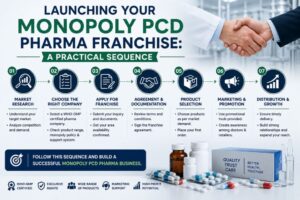
Starting a pharmaceutical franchise becomes much easier when each step is planned before placing your first order. A Monopoly PCD Pharma Franchise allows entrepreneurs to work within a selected territory while promoting and distributing medicines supplied by a pharmaceutical company. The key is to choose your partner and products carefully from the beginning.

Select a Suitable Pharma Company
Begin by researching companies that offer a suitable product range, reliable supply, transparent terms, and proper business support. Check the company’s reputation, manufacturing standards, product quality, and experience before making a commitment.
Choose Your Business Territory
Your location can have a major impact on sales. Study the local medicine demand, competition, customer base, and availability of distributors or retailers. Choose an area where you can realistically build strong market connections.
Select Products According to Demand
Do not select products simply because they are popular elsewhere. Consider the requirements of your target market and choose medicines that have practical demand. A balanced portfolio can also make inventory management easier.
Complete the Required Documentation
Before beginning commercial activities, make sure the necessary business and pharmaceutical documents are in place. Depending on your business structure and applicable regulations, this may include a drug license, GST registration, PAN, and other required documents.
Discuss Monopoly Terms Clearly
Speak with the company about territory rights, product pricing, minimum order quantities, payment conditions, promotional support, and supply arrangements. Understanding these details beforehand can help prevent confusion after the partnership begins.
Start Marketing and Distribution
Once the agreement and documentation are completed, focus on introducing products to the market. Build professional relationships with distributors, retailers, and relevant healthcare professionals while maintaining regular follow-up.
A dependable monopoly pharma company can make the process smoother by providing product information, marketing materials, and order assistance. With careful territory selection, sensible product planning, and consistent market efforts, a monopoly pharma franchise can develop into a structured and sustainable business opportunity.
Why Choose Biomorph Lifesciences for Monopoly PCD Pharma Franchise?
Choosing the right pharmaceutical partner can make a big difference when you are planning to enter the medicine distribution business. Biomorph Lifesciences offers a practical opportunity for entrepreneurs looking to build their market through a Monopoly PCD Pharma Franchise. The focus is on providing a suitable product range along with business support that helps partners manage their operations more confidently.
Quality-Focused Product Portfolio
A strong product portfolio gives franchise partners more flexibility when approaching different customers. Biomorph Lifesciences provides pharmaceutical products across various healthcare segments, allowing partners to select products according to the needs of their target market. Product quality and consistent availability are important factors for developing customer trust and encouraging repeat orders.
Support for Business Development
Starting a franchise involves more than purchasing medicines and selling them. Partners also need product information, promotional resources, and smooth communication with the company. Biomorph Lifesciences supports its franchise partners with business-oriented assistance, helping them understand the available products and plan their market activities more effectively.
Territory-Based Business Opportunity
A monopoly pharma franchise can provide an organized approach to developing a particular territory. Before beginning, partners can discuss territory availability and understand the applicable terms with the company. Having a clearly defined area allows entrepreneurs to concentrate their time and resources on building local relationships.
Suitable for Different Entrepreneurs
The franchise model can be considered by medicine distributors, pharmaceutical marketers, and entrepreneurs who want to establish a presence in the healthcare sector. The right territory, product selection, and consistent sales efforts can create a stronger foundation for business development.
Focus on Long-Term Partnership
Selecting a monopoly pharma company should involve more than comparing prices. Company communication, product range, supply support, and business terms should also be considered. Biomorph Lifesciences aims to build professional relationships with its franchise partners while supporting their efforts in the market.
For entrepreneurs seeking a structured pharmaceutical business opportunity, working with Biomorph Lifesciences can be a worthwhile option to explore after reviewing the products, territory, and partnership terms.
Conclusion
Starting a Monopoly PCD Pharma Franchise can be a practical choice for entrepreneurs who want to build a pharmaceutical business within a defined territory. However, the right company, product quality, supply support, and business terms should be checked before taking the next step. A reliable monopoly pharma company can provide the product range and assistance needed to develop your market with greater confidence. If you are exploring a monopoly pharma franchise, Biomorph Lifesciences is worth considering for its pharmaceutical portfolio and franchise opportunities. Visit Biomorph Lifesciences to explore the available options and take your next step toward building your pharma business.
Frequently Asked Questions
Q. What is a Monopoly PCD Pharma Franchise?
A Monopoly PCD Pharma Franchise allows a business partner to promote and distribute a company’s medicines within an assigned territory, subject to agreed terms.
Q. What are the main benefits of this franchise model?
It can provide territory-based business rights, access to pharmaceutical products, and company support for marketing and distribution activities.
Q. How do I select a suitable monopoly pharma company?
Compare product quality, portfolio, pricing, supply consistency, territory terms, and business support before making your choice.
Q. Who can start a monopoly pharma franchise?
Medicine distributors, pharmaceutical professionals, marketers, and eligible entrepreneurs can explore this opportunity after meeting applicable requirements.
Q. Is a Monopoly PCD Pharma Franchise suitable for beginners?
It can be considered by beginners who understand their target market, choose suitable products, and work with a dependable company.
Start Your Pharma Franchise Journey Today
Looking for a trusted pharmaceutical partner? Biomorph Lifesciences is committed to delivering quality healthcare solutions backed by ethical practices and customer-focused support.
Website: Visit our official website to learn more.
Call Us: 82838 57755
Instagram: Follow us for the latest updates and industry insights.
Facebook: Join our community and stay connected