
Introduction
A medicine made in India can travel thousands of miles before reaching the patient who needs it. Behind that journey is a carefully connected network of manufacturers, exporters, distributors, regulators, and logistics partners. For international buyers, finding the right Pharmaceutical Exporter in India is not simply about locating a supplier; it is about finding a partner who understands quality, documentation, timely delivery, and changing market requirements. India’s pharmaceutical strength has opened doors across numerous global healthcare markets, creating valuable opportunities for businesses seeking dependable supplies. But what makes an exporter truly trustworthy? Let’s explore the key factors that shape successful pharmaceutical trade from India to international markets.
What Makes a Pharmaceutical Exporter in India a Reliable Global Partner?
Choosing a Pharmaceutical Exporter in India involves more than comparing product prices. International buyers need a supplier that can maintain consistent quality, handle documentation correctly, and deliver orders according to agreed timelines. A dependable exporter understands that every shipment represents both the buyer’s business and the reputation of the medicine supplier.
Manufacturing Standards That Support International Supply
A strong exporter works with manufacturing facilities where quality is treated as part of every production stage. Proper raw-material checks, controlled manufacturing conditions, batch testing, and documented quality procedures help maintain product consistency. Buyers should also look at the company’s manufacturing credentials, available product range, production capacity, and ability to handle repeat orders.
Consistency becomes especially important when businesses export medicine from India to different countries. A product that meets expectations in one shipment should maintain the same standards in subsequent batches. Reliable quality control helps buyers build confidence and reduce supply-related concerns.
Regulatory Readiness Beyond the Indian Market
Pharmaceutical exports involve more than manufacturing a product and arranging transportation. Different countries can have their own requirements for product registration, labelling, certificates, packaging, and supporting documentation. An experienced exporter should understand these requirements and prepare the necessary paperwork accurately.
Before finalizing a partnership, overseas buyers can ask for relevant licenses, quality certificates, product specifications, and export documentation. It is also useful to clarify who will manage registration-related responsibilities in the destination country.
A reliable Pharmaceutical Exporter in India should communicate clearly, provide realistic delivery commitments, and respond promptly when documentation or product information is requested. These practical qualities often make the difference between a short-term transaction and a dependable international business relationship.
What Actually Makes an Exporter Trustworthy
A trustworthy pharmaceutical exporter is not defined by a large product catalogue or an attractive quotation alone. International buyers need a partner who can deliver the right products, maintain agreed quality standards, and communicate clearly throughout the order cycle. When selecting a Pharmaceutical Exporter in India, it is worth looking beyond the initial price and examining the systems supporting the business.

Consistent Product Quality
Quality should remain steady from one batch to another. A dependable exporter should have appropriate quality-control procedures for raw materials, manufacturing, testing, packaging, and finished products. Buyers can ask about product specifications, batch testing, manufacturing standards, and available quality documentation before placing larger orders.
Clear and Accurate Documentation
Pharmaceutical shipments often require several commercial and regulatory documents. Missing information or incorrect paperwork can create unnecessary delays at customs or during product registration. A professional exporter should be able to provide accurate invoices, packing details, certificates, product information, and other documents relevant to the destination market.
Reliable Supply and Order Management
International buyers also need confidence that their supplier can handle repeat requirements. Production capacity, inventory planning, lead times, and communication all matter when businesses export medicine from India. An exporter that provides realistic timelines is generally easier to work with than one that makes promises it cannot consistently meet.
Understanding of International Markets
Every destination may have different expectations concerning packaging, labelling, registration, and import procedures. An experienced exporter should recognize these differences and help buyers understand what information or documentation may be needed for a particular market.
Responsive Business Communication
Small communication gaps can become expensive when an order is moving between countries. A reliable Pharmaceutical Exporter in India should respond professionally to questions about pricing, specifications, documentation, shipping, and delivery schedules. Clear communication builds confidence and makes long-term cooperation much easier.
Ultimately, trust develops through consistent performance. Buyers who verify quality practices, documentation, supply capability, and communication before committing can make more informed decisions and establish stronger international partnerships.
How to Export Medicine From India, Step by Step
Taking pharmaceutical products from an Indian manufacturing unit to an overseas buyer involves several stages. A clear process helps businesses avoid documentation gaps, shipment delays, and compliance problems. Whether you are a distributor, importer, or healthcare company, understanding each stage makes international sourcing much easier.
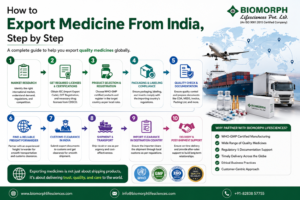
- Select the Right Products and Market
Start by identifying which medicines have demand in the target country. Check whether the selected products can legally be imported and whether they require registration or approval before sale. Market requirements can differ significantly, so research should come before placing an order.
- Choose a Suitable Export Partner
The next step is finding a dependable Pharmaceutical Exporter in India with suitable products, manufacturing support, quality systems, and export experience. Review the company’s product range, certifications, documentation practices, production capacity, and previous international supply capabilities.
- Confirm Regulatory and Product Requirements
Before production or dispatch, clarify the destination country’s requirements for registration, labelling, packaging, certificates, and product information. The importer and exporter should agree on who will provide each required document. Getting this stage right can prevent complications later.
- Finalize the Commercial Agreement
Discuss product specifications, quantities, pricing, payment terms, packaging, delivery schedules, and shipping responsibilities. A written agreement or purchase order gives both parties a clear reference point and reduces misunderstandings.
- Prepare and Dispatch the Shipment
Once the order is ready, the exporter arranges appropriate packaging and prepares the necessary commercial and shipping documents. Quality checks should be completed before dispatch. Proper coordination with logistics partners helps ensure that products remain protected during transportation.
- Track Delivery and Maintain Records
After shipment, both parties should monitor the consignment and retain relevant transaction records. Good communication is especially important if customs authorities request additional information.
Businesses looking to export medicine from India should treat the process as an ongoing partnership rather than a single transaction. Careful market research, accurate documentation, quality assurance, and dependable communication can create a smoother route into international pharmaceutical markets.
Markets and Reach : Where Indian Medicine Travels
India’s pharmaceutical industry has built a strong presence beyond its domestic market, supplying medicines to buyers across different regions. The appeal is not limited to competitive pricing. International partners also look for dependable supply, broad product choices, consistent quality, and professional export support. A capable Pharmaceutical Exporter in India can help connect Indian pharmaceutical products with distributors, wholesalers, and healthcare businesses in overseas markets.
Growing Opportunities Across Developing Markets
Many emerging healthcare markets require medicines that combine affordability with dependable quality. Indian pharmaceutical products can be an attractive option for importers seeking a stable source of generic formulations and other healthcare products. However, demand varies from country to country, making local market research an important first step.
Understanding Destination-Specific Requirements
Selling medicines internationally is not simply about finding a buyer and arranging transportation. Each destination may have its own rules for product registration, packaging, labelling, documentation, and import clearance. Exporters and buyers need to understand these requirements before finalizing an order.
For businesses planning to export medicine from India, selecting the destination carefully can influence the entire supply process. Product approvals, preferred dosage forms, market demand, pricing conditions, and distribution networks should all be evaluated before entering a new territory.
Building Stronger International Distribution Networks
Long-term export growth often depends on relationships with local distributors and healthcare businesses. A reliable exporter can support these relationships by maintaining consistent product availability, communicating clearly, and coordinating orders efficiently. Timely responses become especially valuable when buyers need updated product information or documentation.
Why Global Reach Matters for Indian Exporters
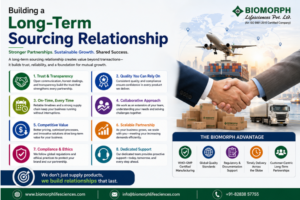
A wider international presence gives pharmaceutical businesses opportunities to serve different healthcare markets while developing sustainable commercial relationships. At the same time, successful expansion requires more than reaching new countries. Quality management, regulatory awareness, dependable logistics, and customer support must remain strong as the business grows.
For overseas buyers, working with an experienced Pharmaceutical Exporter in India can make international sourcing more organized and predictable, particularly when the exporter understands both Indian supply capabilities and destination-market expectations.
Conclusion
Choosing the right pharmaceutical exporter is an important step for businesses seeking dependable access to international medicine markets. From product quality and regulatory documentation to timely delivery and consistent supply, every detail can influence a successful export partnership. A trusted Pharmaceutical Exporter in India should offer transparent communication, suitable product options, and reliable support throughout the shipping process. Businesses planning to export medicines from India should therefore evaluate potential partners carefully instead of focusing only on pricing. Companies such as Biomorph Lifesciences can serve as a relevant option for businesses exploring Indian pharmaceutical supply and international market opportunities.
Frequently Asked Questions
Q. What does a Pharmaceutical Exporter in India do?
A Pharmaceutical Exporter in India supplies medicines and healthcare products to international buyers while managing documentation, packaging, shipping, and export requirements.
Q. How can businesses export medicine from India?
Businesses should identify their target market, understand import regulations, select suitable products, verify the exporter, complete required documentation, and arrange compliant shipping.
Q. What should buyers check before choosing an Indian pharmaceutical exporter?
Buyers should review product quality, manufacturing credentials, certifications, documentation, supply capacity, pricing, delivery timelines, and communication standards.
Q. Why is documentation important when exporting medicines?
Accurate documentation supports customs clearance and regulatory compliance. Missing or incorrect paperwork can cause shipment delays or other complications.
Q. How can buyers find a reliable Pharmaceutical Exporter in India?
Look for an exporter with consistent product quality, transparent business practices, dependable supply, proper documentation, and experience serving international markets.
Closing — Partnering for Healthier Outcomes Worldwide
Strip away the logistics and paperwork, and the entire business of export medicine from India comes down to one essential goal: getting safe, effective, and affordable medicines to the people who need them. The word “trusted” is more than a label—it means verifiable certifications, transparent communication, consistent product quality, a proven track record, and a pharmaceutical partner who stands behind every shipment long after delivery.
If you’re weighing where to source, look past the quote sheet. The right pharmaceutical exporter in India is the one who answers your hard questions plainly, shows their credentials without hesitation, and treats your supply chain like it matters — because to the patients at the end of it, it does.
Ready to take the next step? Reach out for a conversation about your specific needs, or request a quote to see how a reliable partner can support your market. Healthier outcomes start with the right partnership.
Website: Visit our official website to learn more.
Call Us: 82838 57755
Instagram: Follow us for the latest updates and industry insights.
Facebook: Join our community and stay connected.