
Good nutrition is not always as simple as eating well every day. Busy schedules, changing food habits, and individual nutritional needs can make it difficult to maintain a balanced intake of essential nutrients. This is where food supplement vitamins can become a practical part of a daily wellness routine. From multivitamin blends to targeted vitamin formulations, different products are designed to support specific nutritional requirements. But with so many choices available, knowing what makes a supplement worth considering is equally important. This guide explores quality food supplement vitamins, key nutrients, selection factors, and practical ways to make informed choices for everyday nutritional support.
Understanding Food Supplement Vitamins in Daily Nutrition
Good nutrition starts with a balanced diet, but everyday routines do not always make it easy to get every essential nutrient from food alone. Food supplement vitamins can provide a convenient way to complement regular meals when specific nutritional needs arise. These products may contain individual vitamins or a combination of nutrients formulated for different wellness goals.
The right supplement depends on factors such as diet, age, lifestyle, and individual nutritional requirements. For example, multivitamin products combine several vitamins in one formulation, while targeted products focus on particular nutrients. Nature made multivitamin tablets are one example of a multivitamin format that people may come across when exploring supplementation options.

Vitamin B12 is another nutrient commonly included in targeted supplements. A vitamin B12 dietary supplement may be considered when someone needs additional B12 as part of their nutritional routine. A B12 dietary supplement can come in different forms and strengths, so checking the label and recommended serving is important before making a choice.
When considering food supplement vitamins, look beyond attractive packaging or broad health claims. Check the ingredient list, serving information, nutritional quantities, storage instructions, and manufacturer details. It is also useful to choose products that clearly explain how they should be used.
Supplements work best as part of an overall healthy lifestyle rather than as a replacement for varied, nutritious meals. Paying attention to your everyday diet and understanding what a product actually provides can help you make more informed nutritional choices.
Key Vitamins Commonly Found in Daily Supplements
Choosing the right supplement can feel confusing when every bottle seems to offer a different combination of nutrients. Food supplement vitamins are available in many formulations, from single-nutrient products to comprehensive multivitamins. Understanding what these products contain can help consumers compare options more carefully and select a formulation that fits their nutritional requirements.
Vitamins perform different functions in the body, which is why a supplement should not be selected simply because it contains a long list of ingredients. Looking at the nutrient profile, serving size, and product information gives a clearer picture of what a particular formulation provides.
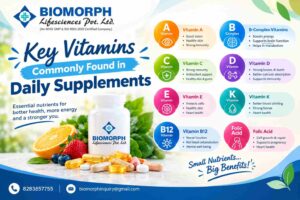
Vitamin B12 for Nutritional Support
Vitamin B12 is an essential nutrient involved in normal red blood cell formation, neurological function, and normal energy metabolism. It can be obtained through foods such as fish, meat, eggs, and dairy products. However, dietary patterns and individual nutritional circumstances can influence how much B12 a person receives.
A vitamin B12 dietary supplement is designed to provide vitamin B12 in a concentrated form. Such products can differ in strength, formulation, and serving recommendations. Before adding one to a routine, it is useful to understand the amount supplied per serving and consider whether supplementation is appropriate for your nutritional needs.
When comparing B12 products, pay attention to:
- The amount of vitamin B12 per serving
- Recommended serving instructions
- Supplement form and formulation
- Complete ingredient information
- Manufacturer and product details
This simple checklist can make product comparison easier and prevent decisions based only on attractive packaging or marketing claims.
Multivitamins for Broader Nutrient Intake
Some people prefer a single product that contains several vitamins and minerals rather than taking individual supplements. Multivitamins are formulated with combinations of nutrients, although their ingredient lists and quantities can vary considerably from one product to another.
For instance, nature made multivitamin tablets are an example of the type of multivitamin product consumers may encounter while researching daily nutritional supplements. When comparing similar products, checking the nutrition panel is more useful than relying solely on the product name.
A multivitamin label may provide information about:
- Vitamins and minerals included
- Quantity of each nutrient
- Serving size
- Suggested usage
- Additional ingredients
- Storage requirements
Reading these details helps consumers understand exactly what they are purchasing and whether the formulation suits their preferences.
Understanding Different Nutritional Requirements
Not everyone has the same nutritional needs. Age, eating habits, lifestyle, dietary restrictions, and individual circumstances can all affect which nutrients receive attention. This is why selecting food supplement vitamins should involve more than choosing the product with the highest number of ingredients.
Someone looking for general nutritional coverage may explore a multivitamin, while another person may be interested in a specific nutrient such as B12. A B12 dietary supplement, for example, focuses on one particular vitamin rather than providing a broad combination.
Before choosing a supplement, consider these practical factors:
- Review the label: Check the complete nutrient and ingredient list.
- Compare serving sizes: Two products may provide different amounts per serving.
- Check product directions: Follow the manufacturer’s recommended usage.
- Consider your diet: Identify whether your regular meals already provide certain nutrients.
- Seek professional guidance when needed: Individual supplementation needs can vary.
Making a Practical Supplement Choice
The purpose of adding supplements to a wellness routine should be to complement sensible nutrition, not replace a varied diet. Quality food choices, regular physical activity, adequate sleep, and appropriate supplementation can all contribute to a balanced lifestyle.
Whether considering a multivitamin or a targeted vitamin B12 dietary supplement, taking time to understand the formulation can lead to more informed purchasing decisions. Instead of choosing solely on popularity or promotional claims, compare the ingredients, quantities, directions, and product information. This approach makes it easier to find food supplement vitamins that align with your everyday nutritional goals.
What to Look for in a Quality Food Supplement Vitamins Product
Walking into the supplement aisle can be overwhelming when dozens of products promise nutritional support in different forms. Choosing quality food supplement vitamins becomes easier when you know which details deserve attention. Instead of judging a product by its packaging or the number of nutrients listed on the front, look at the information provided on the label and consider how the formulation fits your nutritional requirements.
Check the Ingredient Profile
The ingredient list is one of the first places to look when comparing supplements. It tells you which vitamins, minerals, and other ingredients are included and how much of each nutrient is provided per serving.
A broader multivitamin may contain several nutrients, while a targeted nutraceutical products can focus on one specific vitamin. For example, someone comparing a vitamin B12 dietary supplement should check the amount of B12 provided rather than assuming that all B12 products have the same formulation.
Important label details include:
- Nutrients included in the formulation
- Amount supplied per serving
- Recommended serving size
- Additional ingredients
- Usage and storage instructions
Reading these details gives you a clearer understanding of what you are actually buying.
Consider the Nutrient Composition
More ingredients do not automatically mean a product is more suitable. Different supplements are designed around different nutritional purposes, so the composition should match what you are looking for.
Multivitamins can provide several vitamins and minerals in one product, while a B12 dietary supplement is focused on providing vitamin B12. When comparing products, consider whether you want broad nutritional coverage or a formulation centered on a particular nutrient.
For products such as nature made multivitamin tablets, consumers should still review the specific product label because formulations can vary by product and intended use. Checking the current packaging and manufacturer information is a practical way to understand the product accurately.
Review Serving Size and Usage Directions
A quality supplement should provide clear directions for use. The serving size tells you how much of the product is intended to be taken at one time, while usage instructions explain how the product should be incorporated into a routine.
Before purchasing, check:
- Suggested serving or dosage
- Recommended frequency of use
- Storage conditions
- Expiry or best-before information
- Warnings and other label instructions
Following the manufacturer’s directions is important because taking more of a supplement does not necessarily provide additional benefits.
Look at Product and Manufacturer Information
Transparent product information can make comparison easier. Check whether the packaging clearly identifies the manufacturer, ingredients, serving information, and other required product details. A clearly presented label allows consumers to make decisions based on facts rather than vague promotional statements.
If you are comparing food supplement vitamins from different brands, place the labels side by side and examine the actual nutrient quantities. This simple approach can reveal meaningful differences between formulations that may look similar at first glance.
Choose According to Your Nutritional Needs
There is no universal supplement that suits everyone. Dietary habits, age, lifestyle, and individual nutritional circumstances can influence which products may be appropriate.
Someone seeking general nutritional coverage might explore a multivitamin, while another person may specifically be researching a vitamin B12 dietary supplement. If you have a diagnosed deficiency, take medications, are pregnant, or have a health condition, professional guidance can help determine whether supplementation is appropriate.
Ultimately, selecting food supplement vitamins should involve careful label reading, sensible comparison, and an understanding of your own nutritional requirements. A well-informed choice starts with knowing exactly what a product contains and how it is intended to be used.
How to Add Food Supplement Vitamins to a Daily Wellness Routine
Adding food supplement vitamins to a daily routine does not have to be complicated. The key is to make supplementation fit naturally around your existing habits while continuing to focus on balanced meals, regular activity, and healthy lifestyle choices. A consistent routine can also make it easier to remember when and how a product should be used.

Start by Understanding Your Nutritional Needs
Before adding any supplement, consider your regular diet and the nutrients you already receive from food. Not everyone requires the same vitamins, and taking several products without understanding their contents can lead to unnecessary nutrient intake.
Think about:
- Your usual eating pattern
- Foods you regularly consume
- Any dietary restrictions
- Your age and lifestyle
- Specific nutritional concerns
If you are unsure about your nutritional requirements, discussing them with a qualified healthcare professional can provide more appropriate guidance.
Follow the Product Directions
Once you select a suitable product, read the label carefully. Serving sizes and usage instructions can differ between formulations, so avoid assuming that every vitamin product should be taken in the same way.
For example, a vitamin B12 dietary supplement may have its own recommended serving and usage instructions. Follow the directions provided on the product rather than increasing the amount simply because you want faster results.
Keeping the supplement in a familiar place can also make daily use easier. However, store it according to the manufacturer’s instructions and away from conditions that could affect product quality.
Build a Simple and Consistent Habit
A complicated supplement schedule can be difficult to maintain. Instead, connect your supplement routine with an established daily habit, such as breakfast or another regular part of your day, when this is consistent with the product directions.
A simple routine might include:
- Check the recommended serving.
- Take the product as directed.
- Keep track of regular use if needed.
- Store the product correctly.
- Review the label whenever you purchase a new formulation.
Consistency matters more than creating an unnecessarily complicated routine.
Compare Products Before Making Changes
People sometimes switch between supplements without checking whether the formulations are actually different. This can result in overlapping nutrients, especially when using a multivitamin alongside individual vitamin products.
For instance, nature made multivitamin tablets represent one type of multivitamin formulation consumers may consider. If you are already using another product, compare both ingredient lists and nutrient quantities before adding something new.
A B12 dietary supplement may also be unnecessary alongside another product that already provides B12, depending on individual nutritional circumstances. Reading labels carefully helps identify this type of overlap.
Keep Supplements Part of a Bigger Wellness Routine
Supplements should complement healthy habits rather than become the centre of your wellness plan. Nutritious meals, adequate hydration, regular physical movement, quality sleep, and other healthy routines remain important parts of everyday wellbeing.
When using food supplement vitamins, periodically review whether the product still fits your nutritional needs. If your diet, lifestyle, medications, or health circumstances change, professional advice can help you decide whether your supplementation routine should change as well.
The best routine is one that is practical, informed, and easy to maintain. By understanding the product, following its directions, and keeping supplementation alongside balanced lifestyle habits, you can make your daily wellness routine more organised and purposeful.
Conclusion
Choosing the right food supplement vitamins can make a daily nutrition routine more organised when the product matches individual nutritional needs. From multivitamin formulations to a targeted vitamin B12 dietary supplement, understanding ingredients, serving information, and usage directions is essential before making a choice. Consumers should compare labels carefully instead of selecting products based only on packaging or promotional claims. Nature made multivitamin tablets are one example of a multinutrient format available in the market, while a B12 dietary supplement focuses on a specific nutrient. For quality-focused nutritional product options, Biomorph Lifesciences provides a range of healthcare and wellness products designed for varied market requirements.
Frequently Asked Questions
Q. What are food supplement vitamins?
Food supplement vitamins are products formulated to provide specific vitamins or combinations of nutrients alongside a regular diet.
Q. What is a vitamin B12 dietary supplement?
A vitamin B12 dietary supplement provides B12 in a concentrated formulation and may be considered according to individual nutritional requirements.
Q. How is a B12 dietary supplement different from a multivitamin?
A B12 dietary supplement primarily focuses on vitamin B12, while a multivitamin generally contains a combination of vitamins and minerals.
Q. What should I check before buying food supplement vitamins?
Check the ingredient list, nutrient quantities, serving size, usage directions, manufacturer information, and product expiry details.
Q. Can food supplement vitamins replace a balanced diet?
No. Supplements are intended to complement dietary intake and should not be treated as a replacement for a varied and balanced diet.
Instagram : Follow Us For The Latest Update