
What if one small nutrient could quietly influence your bones, muscles, and immune system every day? Vitamin D plays an important role in several essential body functions, yet many people may not get enough from sunlight and food alone. This is where Vitamin D Capsules can become a convenient way to support daily nutritional needs when supplementation is appropriate. But how do they actually work, who may benefit from them, and how much is enough? Understanding these questions can help you make smarter choices instead of taking supplements blindly. In this guide, we’ll explore the benefits, uses, dosage, safety, and practical considerations surrounding Vitamin D Capsules.
Why Vitamin D Matters More Than You May Realize
Vitamin D is often associated with sunlight, but its role goes well beyond simply helping the body maintain healthy vitamin levels. It supports several everyday functions that are important for overall wellness. When dietary intake or sun exposure is insufficient, Vitamin D Capsules may be considered as a convenient supplementation option based on individual needs.
Vitamin D’s Role in Calcium and Bone Health
One of vitamin D’s key jobs is helping the body absorb calcium efficiently. Calcium is essential for maintaining strong bones and teeth, making adequate vitamin D especially important for skeletal health. Maintaining both nutrients together can support normal bone strength over time.
How Vitamin D Supports Normal Muscle Function
Vitamin D also contributes to normal muscle function. Muscles rely on several nutrients to work properly, and maintaining adequate vitamin D levels is one part of that nutritional picture. People with insufficient levels may benefit from discussing supplementation with a healthcare professional.
Its Connection With Everyday Immune Function
The immune system also depends on vitamin D for normal functioning. While it should not be viewed as a cure or treatment for illness, maintaining sufficient levels can be part of a balanced approach to everyday health. Unlike hair vitamins, which are usually formulated around nutrients associated with hair health, vitamin D supplementation focuses specifically on meeting vitamin D requirements. Multivitamins may contain vitamin D alongside several other vitamins and minerals, but their amounts vary by product.
Vitamin D Capsules: What Are They Actually Used For?
Vitamin D Capsules are commonly used to provide vitamin D when the body may not be getting enough through sunlight and diet. This nutrient has several important roles in maintaining normal bone, muscle, and immune function. However, the need for supplementation can vary from person to person.
Supporting Healthy Bones and Teeth
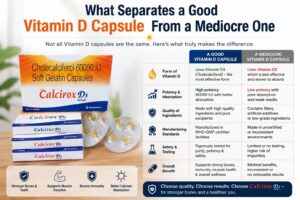
Vitamin D helps the body absorb calcium, which is essential for maintaining strong bones and teeth. Adequate vitamin D intake can support normal skeletal health throughout different stages of life.
Some important ways vitamin D contributes to bone health include:
- Helps the body absorb calcium efficiently
- Supports normal bone maintenance
- Contributes to healthy teeth
- Works alongside a balanced, calcium-rich diet
Maintaining Adequate Vitamin D Levels
Vitamin D levels can be influenced by sunlight exposure, diet, age, and individual lifestyle factors. People who spend limited time outdoors or have inadequate dietary intake may need to discuss supplementation with a healthcare professional.
Before choosing Vitamin D Capsules, consider:
- Your usual sunlight exposure
- Your dietary vitamin D intake
- Whether you have been advised to check your vitamin D levels
- The strength and serving size of the supplement
Supporting Muscle Health
Vitamin D is also involved in normal muscle function. Maintaining adequate levels, along with regular physical activity and balanced nutrition, can contribute to overall muscle wellness.
When Supplementation May Be Recommended
Vitamin D supplementation may be considered when dietary intake is insufficient or a deficiency has been identified. The appropriate amount depends on individual requirements, so taking high doses without guidance is not recommended.
It is also worth checking other supplements you already use. Multivitamins may contain vitamin D, while hair vitamins can include overlapping nutrients. Reading supplement labels can help avoid unnecessary duplication.
Overall, Vitamin D Capsules can be a useful nutritional supplement when there is a genuine need. Choosing an appropriate product and dosage is more important than simply taking a larger amount.
Key Benefits of Vitamin D Capsules
Vitamin D Capsules can be a convenient way to support adequate vitamin D intake when sunlight exposure or diet may not provide enough. Vitamin D is involved in several essential body processes, particularly those related to bones, muscles, and normal immune function. However, supplements work best when they are used appropriately and alongside a balanced diet.
Helps the Body Absorb Calcium
One of vitamin D’s most important functions is helping the body absorb calcium from food. Calcium is needed for maintaining normal bones and teeth, but the body cannot make full use of it without adequate vitamin D.
This relationship makes vitamin D especially relevant for:
- Normal calcium absorption
- Maintaining mineral balance
- Supporting everyday bone health
- Helping the body use dietary calcium effectively
Supports Strong Bones and Teeth
Adequate vitamin D contributes to the maintenance of healthy bones and teeth. Since bone health depends on several nutrients, getting enough vitamin D should be part of an overall nutritious lifestyle rather than viewed as a standalone solution.
Contributes to Normal Muscle Function
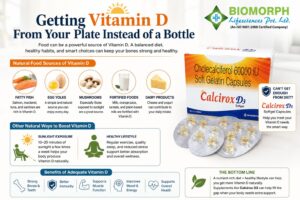
Vitamin D also has a role in normal muscle function. Maintaining sufficient levels can complement other healthy habits, including regular movement, adequate protein intake, and a varied diet. People with concerns about their vitamin D status can discuss appropriate supplementation with a healthcare professional.
Plays a Role in Immune System Function
The immune system is another area where vitamin D has an important nutritional role. Maintaining adequate vitamin D levels supports normal immune function, although Vitamin D Capsules should not be considered a treatment for infections or illnesses.
It is also useful to consider your complete supplement routine. Multivitamins may already provide vitamin D along with other nutrients, while hair vitamins are typically formulated for hair-related nutritional support. Checking labels before combining pharmaceutical products can help prevent unnecessary nutrient overlap.
Overall, Vitamin D Capsules may support several important aspects of everyday wellness when used according to individual nutritional requirements and appropriate guidance.
Who May Need Vitamin D Supplementation?
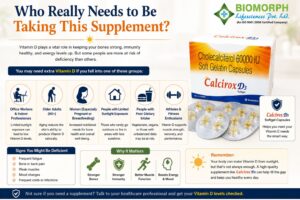
Not everyone needs Vitamin D Capsules regularly. The body can obtain vitamin D through sunlight and certain foods, but some people may have difficulty getting enough. Supplementation is most useful when there is a genuine nutritional need, and the appropriate amount can vary considerably between individuals.
People With Limited Sun Exposure
Sunlight helps the body produce vitamin D naturally. People who spend most of their time indoors, have limited outdoor exposure, or regularly keep most of their skin covered may have fewer opportunities for vitamin D production.
Factors that can affect vitamin D intake or production include:
- Spending little time outdoors
- Having limited dietary sources of vitamin D
- Living a lifestyle with minimal sunlight exposure
- Using supplements without adequate dietary assessment
Older Adults and People With Increased Nutritional Needs
Vitamin D needs and the body’s ability to produce or process nutrients can change with age. Older adults may therefore require particular attention to their vitamin D intake. People with specific nutritional requirements should discuss supplementation with a healthcare professional rather than choosing a dose independently.
People With a Confirmed Vitamin D Deficiency
Individuals diagnosed with low vitamin D levels may be advised to use supplements as part of a suitable plan. The dosage for correcting a deficiency can differ from the amount used for routine nutritional support. Following professional recommendations is important, particularly when higher-strength products are involved.
Why Individual Requirements Can Differ
There is no single vitamin D dosage that suits everyone. Age, diet, sun exposure, existing health circumstances, and laboratory results can all influence supplementation decisions. It is also sensible to review your complete supplement routine. Multivitamins may already contain vitamin D, while hair vitamins can provide other overlapping nutrients.
Before starting Vitamin D Capsules, consider your dietary intake and any existing supplements. When deficiency is suspected, professional assessment can help determine whether supplementation is necessary and which approach is appropriate.
How to Choose the Right Vitamin D Capsules
Choosing a vitamin D supplement is not simply about picking the bottle with the highest number on the label. Different products offer different strengths, forms, serving sizes, and additional ingredients. A little label-checking can help you select a product that better matches your nutritional needs.
Check the Vitamin D Form and Strength
Start by checking which form of vitamin D the product contains and how much is provided per serving. Vitamin D3 (cholecalciferol) and vitamin D2 (ergocalciferol) are commonly used forms. The appropriate strength depends on factors such as age, diet, existing vitamin D levels, and professional recommendations.
When comparing products, look for:
- Vitamin D form
- Amount provided per capsule
- Serving instructions
- Clearly listed ingredients
- Manufacturer and quality information
Understand the Serving Size
A label may state the nutrient amount per serving rather than per individual capsule. Always check this detail before taking the supplement. Following the manufacturer’s directions can help prevent accidentally consuming more than intended.
Look Beyond Marketing Claims
Terms such as “premium,” “advanced,” or “complete wellness” do not automatically indicate that a supplement is right for you. Focus on the actual nutrient content, dosage, ingredient list, and quality information. Comparing labels can be particularly helpful if you already use Multivitamins or other nutritional products.
When Professional Guidance Is Worth Considering
Professional advice becomes especially useful when you have confirmed low vitamin D levels, take medications, or are considering higher-strength supplementation. A healthcare professional can help determine whether Vitamin D Capsules are appropriate and what dosage fits your circumstances.
It is also worth reviewing products such as hair vitamins, since combining several supplements may result in overlapping nutrients. Ultimately, the best choice is one that suits your individual requirements rather than simply offering the highest dose.
Conclusion
Vitamin D Capsules can be a convenient way to support adequate vitamin D intake when diet or sunlight exposure may not provide enough. Their benefits include supporting calcium absorption, healthy bones and teeth, normal muscle function, and immune function. However, choosing the right strength and taking an appropriate amount is important for safe supplementation. People already using Multivitamins or hair vitamins should check ingredient labels to avoid unnecessary overlap. For reliable pharmaceutical and nutraceutical solutions, Biomorph Lifesciences focuses on quality-driven products and professional business support. Before starting supplementation, consider your individual nutritional needs and seek professional advice when required for a more informed approach to daily wellness.
Frequently Asked Questions
Q. What are Vitamin D Capsules used for?
They are used to supplement vitamin D and support normal bone, muscle, calcium absorption, and immune function.
Q. Can Vitamin D Capsules be taken daily?
Daily use depends on individual nutritional requirements, product strength, and professional recommendations.
Q. Can I take Vitamin D with Multivitamins?
Some Multivitamins already contain vitamin D, so checking the label can help avoid unnecessary duplication.
Q. Are Vitamin D Capsules the same as hair vitamins?
No. Hair vitamins are generally formulated around nutrients associated with hair health, while vitamin D supplements specifically provide vitamin D.
Q. How should I choose Vitamin D Capsules?
Consider the vitamin D form, strength, serving size, ingredients, and your individual nutritional requirements. Professional guidance can be useful when deficiency is suspected.
Instagram : Follow Us For The Latest Update