Finding the right pharmaceutical supplier can make all the difference when entering a new market. For importers looking toward Afghanistan, choosing reliable companies is about more than comparing prices. Product quality, regulatory requirements, consistent supply, and clear business communication all matter. With several local and international pharmaceutical businesses serving the market, knowing where to begin can save valuable time. This guide to Pharmaceutical Companies in Afghanistan for Importers explores the factors buyers should consider when evaluating potential suppliers. Whether you are a medicine distributor, wholesaler, or trading company, the right approach can help you build stronger, long-term business relationships.
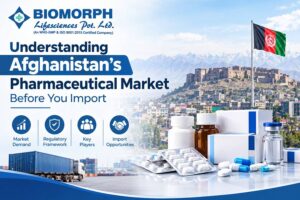
Understanding Afghanistan’s Pharmaceutical Market Before You Import
Entering a new pharmaceutical market requires more than finding a supplier with attractive prices. Importers must understand local demand, product requirements, distribution channels, and the regulations that govern medicine imports. Before contacting Pharmaceutical companies in Afghanistan, buyers should research which medicines are needed and how products reach pharmacies, hospitals, and healthcare providers.
Understanding Local Healthcare Needs
The demand for medicines depends on population needs, access to medical services, and the availability of essential treatments. Understanding afghanistan health care can help importers identify relevant product categories, such as antibiotics, pain relief medicines, nutritional supplements, and other essential pharmaceutical products. However, demand should be confirmed through local market research rather than assumptions.
Check Import Regulations and Documentation
Pharmaceutical imports require careful attention to legal and quality requirements. Before placing an order, confirm the applicable rules with Afghanistan’s relevant authorities and your local importing partner. Requirements may vary according to the product type and its intended use.
Importers should check:
- Product registration and import permissions, where applicable.
- Manufacturing licences and quality documentation.
- Certificates of analysis and other required product records.
- Labelling, packaging, storage, and transportation conditions.
- Customs documentation and applicable duties.
Completing these checks early can help prevent avoidable delays and unexpected costs.
Evaluate Suppliers Before Making a Commitment
Not every supplier will be suitable for your business. When comparing Pharmaceutical companies in Afghanistan, review their product range, business credentials, supply capacity, communication practices, and ability to provide authentic documentation. Ask for written quotations, minimum order quantities, payment terms, and estimated delivery schedules before finalising an agreement.
Build a Practical Import Strategy
A clear plan helps buyers manage risks and establish reliable supply arrangements. Study competitor products, estimate purchasing volumes, calculate landed costs, and identify suitable distribution partners. Researching afghanistan health care needs alongside regulatory requirements can help you make better purchasing decisions.
Start with verified information, communicate expectations clearly, and assess each potential partner carefully. These steps can help pharmaceutical importers develop a more informed and sustainable approach to the Afghan market.
Types of Pharmaceutical Companies Importers Should Know
Choosing the right pharmaceutical partner starts with understanding the different types of businesses operating in the medicine supply chain. Each company serves a particular purpose, from manufacturing finished medicines to importing products or distributing them to local buyers. For businesses exploring Pharmaceutical companies in Afghanistan, identifying these differences can make supplier selection easier and help avoid mismatched business agreements.
- Pharmaceutical Manufacturers
Manufacturers produce medicines in facilities equipped for pharmaceutical production and quality control. Importers working directly with manufacturers may explore a wider product range, discuss bulk orders, and request manufacturing and quality documents. Before proceeding, verify the company’s manufacturing capabilities, relevant licences, and compliance with applicable regulations.
-
Pharmaceutical Importers and Trading Companies
Importers and trading businesses source medicines from domestic or international suppliers and arrange their distribution. They may be useful contacts for buyers who need access to multiple products without negotiating separately with every manufacturer. However, importers should confirm whether the company is authorised to handle the specific products they intend to purchase.
-
Pharmaceutical Wholesalers and Distributors
Wholesalers and distributors connect suppliers with pharmacies, hospitals, clinics, and other healthcare buyers. Their local market knowledge can help businesses understand purchasing patterns, delivery expectations, and product availability. These companies are particularly relevant when planning distribution within a defined region.
-
Contract Manufacturing Companies
Contract manufacturers produce medicines for other businesses under agreed commercial and technical arrangements. This model may suit pharmaceutical brands looking to expand their product portfolios without investing in their own production facilities. Buyers should review minimum order quantities, production timelines, quality agreements, and ownership of product documentation.
How to Choose the Right Business Partner
The best partner depends on your purchasing volume, product requirements, budget, and distribution plans. Researching afghanistan health care needs can help identify relevant medicine categories, while local market research can clarify which products buyers actually require.
Before signing an agreement, compare suppliers using these practical checks:
- Verify business registration and applicable licences.
- Request product specifications and quality documents.
- Confirm pricing, payment terms, and delivery schedules.
- Check product storage conditions and supply consistency.
- Clarify responsibilities for registration and import compliance.
Understanding Pharmaceutical companies in Afghanistan and their different roles gives importers a clearer starting point. A careful review of afghanistan health care requirements, supplier credentials, and commercial terms can support better purchasing decisions and more dependable business relationships.
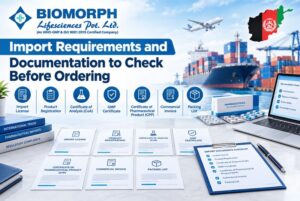
Import Requirements and Documentation to Check Before Ordering
A promising supplier is only one part of a successful pharmaceutical import. Missing paperwork, unclear product approvals, or incorrect shipping documents can delay an order and increase business costs. Before placing an order with Pharmaceutical companies in Afghanistan, importers should identify the documents required for their specific products and confirm the applicable rules with the relevant authorities.
Verify Product Registration and Import Permissions
Not every medicine can automatically enter a market. Depending on the product and current regulations, importers may need product registration, an import permit, or other official authorisations. Confirm these requirements before making payment or arranging shipment. A local regulatory adviser or authorised importing partner can help clarify the process.
Request Manufacturing and Quality Documents
Reliable suppliers should be able to provide appropriate documentation supporting product identity, manufacturing standards, and quality. Depending on the medicine, useful records may include:
- Manufacturing and marketing authorisations, where applicable.
- Certificate of Analysis (CoA) for the relevant product batch.
- Certificate of Pharmaceutical Product (CPP), if required.
- Product specifications and approved labelling details.
- Shelf-life, storage, and batch information.
Check that the documents match the exact product, manufacturer, strength, and dosage form being ordered.
Prepare Shipping and Customs Paperwork
International pharmaceutical shipments generally require commercial and transport documents. These may include a commercial invoice, packing list, certificate of origin, airway bill or bill of lading, and customs declarations. The exact requirements depend on the shipment, product category, and applicable Afghan import procedures.
Confirm document formats and details with your customs broker before dispatch to reduce the risk of avoidable clearance problems.
Check Storage and Transportation Conditions
Some medicines require temperature-controlled transportation or specific handling precautions. Ask the supplier how products will be packed, transported, and monitored throughout delivery. Confirm that the proposed arrangements maintain product quality until the shipment reaches its destination.
Understanding afghanistan health care requirements and local distribution conditions can help importers plan appropriate product handling. Before finalising orders with Pharmaceutical companies in Afghanistan, review the full documentation checklist and verify current regulatory obligations. A clear understanding of afghanistan health care needs, import rules, and supplier responsibilities supports safer, better-organised purchasing decisions.
Common Mistakes Pharmaceutical Importers Should Avoid
A pharmaceutical import deal can look profitable on paper but become expensive when important details are overlooked. From choosing an unverified supplier to misunderstanding import rules, small mistakes can affect delivery schedules, product quality, and customer relationships. Businesses working with Pharmaceutical companies in Afghanistan should assess each stage of the purchasing process carefully before committing money or placing bulk orders.
Choosing a Supplier Without Proper Verification
An attractive quotation does not automatically make a supplier trustworthy. Importers should review business credentials, relevant licences, manufacturing details, and product documentation before signing an agreement. Request references where possible and confirm that the company can supply the required medicines consistently. Avoid making decisions based only on price or verbal promises.
Ignoring Product Registration Requirements
Medicines may be subject to specific registration, licensing, and import authorisation rules. Assuming that a product approved in one country can automatically enter another market may cause delays or rejected shipments. Check the applicable requirements with the relevant Afghan authorities or a qualified local regulatory adviser before dispatch.
Focusing Only on the Purchase Price
The supplier’s quoted price is not the total cost of importing medicines. Freight, insurance, customs duties, clearance charges, storage, and local transportation may increase the final expense. Calculate the estimated landed cost before comparing quotations so that your pricing and profit expectations remain realistic.
Overlooking Storage and Expiry Dates
Pharmaceutical products need suitable handling throughout transportation and storage. Importers should check remaining shelf life, batch details, packaging integrity, and any temperature-control requirements. Poor handling can compromise product quality and create avoidable financial losses.
Failing to Understand Local Demand
Ordering large quantities without researching actual purchasing patterns can leave businesses with slow-moving inventory. Studying afghanistan health care needs, speaking with local distributors, and reviewing demand for specific product categories can help buyers plan more carefully.
Building a Stronger Import Process
A reliable purchasing process combines supplier verification, accurate documentation, realistic budgeting, and demand research. Before finalising agreements with Pharmaceutical companies in Afghanistan, confirm responsibilities, payment terms, delivery schedules, and procedures for handling discrepancies.
Understanding afghanistan health care requirements also helps importers make decisions that reflect local market conditions. Careful planning can reduce avoidable risks, support dependable supply arrangements, and create a stronger foundation for long-term pharmaceutical trade.
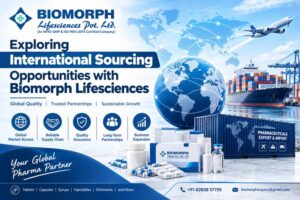
Exploring International Sourcing Opportunities with Biomorph Lifesciences
Building a dependable pharmaceutical supply network often begins with finding a partner who understands product quality, business requirements, and long-term supply needs. For Afghan importers and distributors, working with an Indian pharmaceutical company may offer opportunities to explore different medicine categories and develop international trade relationships. Biomorph Lifesciences is an Indian pharmaceutical company that businesses can consider when researching potential sourcing partners.
Expanding Product Sourcing Options
International sourcing allows buyers to compare product availability, manufacturing capabilities, pricing, and supply arrangements across markets. When evaluating Pharmaceutical companies in Afghanistan and overseas suppliers, importers should focus on products that match local demand and applicable regulatory requirements. A clear product list makes it easier to request quotations and compare suitable business offers.
Why Supplier Communication Matters
Successful trade depends on more than the initial order. Buyers need clear information about product specifications, packaging, minimum order quantities, lead times, and payment terms. Biomorph Lifesciences can be approached to discuss its available product portfolio, business requirements, and potential supply arrangements. Product availability and export suitability should be confirmed directly before making commitments.
Understanding Market Requirements
Before selecting products, importers should research customer preferences, distribution channels, storage facilities, and local purchasing patterns. Understanding afghanistan health care needs can help businesses identify relevant product categories instead of ordering medicines based on assumptions. Importers must also verify applicable registration, import permissions, and documentation before arranging shipments.
Building Long-Term Business Relationships
A strong international sourcing relationship develops through transparent communication, realistic expectations, and consistent follow-up. Buyers should request the necessary company credentials, product quality documents, and written commercial terms before proceeding. Comparing several suppliers can also help identify arrangements that fit the business’s budget and distribution capacity.
For companies exploring Pharmaceutical companies in Afghanistan and international supply options, careful research is an important starting point. Biomorph Lifesciences may be contacted directly to discuss suitable products and potential cooperation. By assessing supplier capabilities alongside afghanistan health care requirements, importers can make more informed decisions and work towards sustainable pharmaceutical trade relationships.
Conclusion
Choosing the right pharmaceutical supplier requires careful research, clear communication, and a good understanding of local market requirements. Importers should compare product quality, documentation, pricing, and delivery arrangements before making a purchasing decision. When evaluating Pharmaceutical companies in Afghanistan, businesses can also explore international sourcing opportunities to expand their product choices. Biomorph Lifesciences, an Indian pharmaceutical company, can be contacted to discuss its available products and potential business cooperation. Understanding afghanistan health care needs, verifying regulatory requirements, and building reliable supplier relationships can help importers make informed decisions and develop sustainable pharmaceutical trading opportunities.
Frequently Asked Questions
Q. What should importers check before choosing a pharmaceutical supplier in Afghanistan?
Importers should verify business credentials, product quality documents, applicable licences, pricing, delivery timelines, and regulatory compliance before placing an order.
Q. How can businesses identify reliable Pharmaceutical companies in Afghanistan?
Businesses can review company records, request product documentation, check supplier experience, and confirm that the company can meet their specific purchasing requirements.
Q. Why should importers research afghanistan health care needs before importing medicines?
Market research helps importers understand local medicine demand, identify suitable product categories, and avoid ordering stock that may have limited demand.
Q. Can Afghan importers source pharmaceutical products from India?
Yes, importers can explore Indian suppliers, provided the products meet applicable import regulations, registration requirements, and quality standards.
Q. How can Biomorph Lifesciences support international sourcing enquiries?
Importers can contact Biomorph Lifesciences directly to enquire about its product portfolio, business terms, and potential supply arrangements. Product availability and export requirements should be confirmed before proceeding.
Instagram : Follow Us For The Latest Update